On this page
Bitcoin dust is a privacy and policy concern, not merely a wallet annoyance: removing tiny UTXOs and consolidating them prevents clutter and defends against tracking attempts.
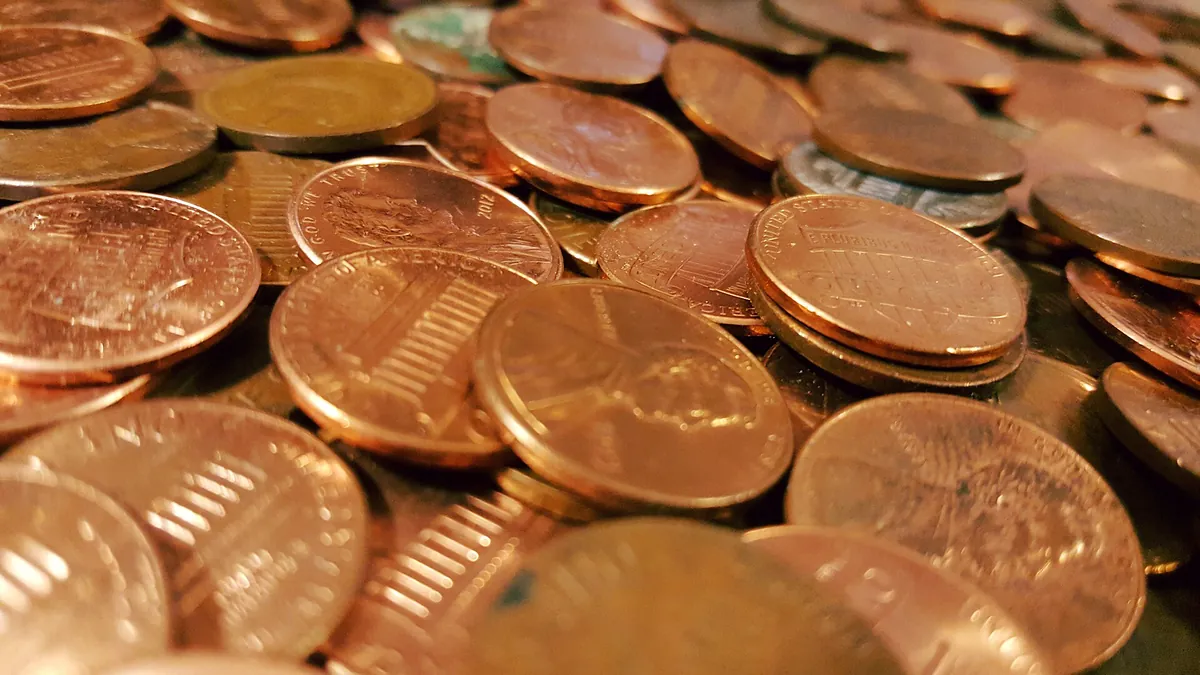
In Bitcoin Core's policy, outputs are flagged as "dust" when the cost to spend them exceeds their value. This happens when a coin is too small to move without losing money. The default dust threshold is 546 satoshis for legacy P2PKH outputs, or 294 satoshis for native SegWit P2WPKH. These thresholds make some UTXOs a bit uneconomical to move as fees rise, so they end up cluttering wallets.
Top casinos that accept Bitcoin
List checked:
- 1
 SlotLoungeTop offer350% up to €15,000 + 350 FSWagering 40x · Min. deposit €209.8
- BTC, ETH, USDT
- Since 2025
18+ · New players · T&Cs apply
- 2
 SlotsMafiaNew350% up to €15,000 + 350 FSWagering 50x · Min. deposit €209.7
- ADA, BNB, BTC +5
- Since 2024
18+ · New players · T&Cs apply
- 3
 GodzNew100% up to €2,000 + 300 FSWagering 35x9.6
- BTC, ETH, USDT
- Sportsbook
- Since 2026
18+ · New players · T&Cs apply
- 4
 N1Bet100% up to €1,000 + 150 FS9.4
- BCH, BTC, DOGE +5
- Sportsbook
- Since 2021
18+ · New players · T&Cs apply
- 5
 Playfina100% up to €1,000 + 200 FSWagering 40x · Min. deposit €209.3
- BTC, ETH, USDT
- Sportsbook
- Since 2022
18+ · New players · T&Cs apply
- 6
 VipLuckNew100% up to €2,000 + 300 FSWagering 35x9.2
- ADA, BCH, BTC +6
- Sportsbook
- Since 2025
18+ · New players · T&Cs apply
- 7
 Joo100% up to €1,000 + 100 FSWagering 50x · Min. deposit €209.1
- BCH, BNB, BTC +6
- Since 2018
18+ · New players · T&Cs apply
- 8
 Boomerang100% up to €500 + 200 FSWagering 35x · Min. deposit €209.0
- BCH, BTC, ETH +4
- Sportsbook
- Since 2020
18+ · New players · T&Cs apply
Offers change often — the operator’s own terms are always the final word. We may earn a commission from links in this list.
Dust is a relay policy, not a guess
Bitcoin Core defines dust using policy rules, not a hard protocol rule. The 546 sat and 294 sat thresholds are based on the default relay fee, which can be overridden. They consider the size of the output plus the estimated input needed to spend it.
So dust is not a blank ban or a prediction by someone - it's a policy threshold set by node operators.
Why tiny outputs pile up
Dust can accumulate when spending tiny amounts leaves small unspent transaction outputs (UTXOs) behind. Performing many small transactions, like microtips or mini payments, is a natural way Bitcoin wallets get themselves uncomfortable, leaving sums too small to spend. Tiny value UTXOs can pile up, clogging wallets with unconsolidated payments.
Over time, many small UTXOs can make wallets harder to manage. Bitcoin wallet documentation explicitly discusses combining very small outputs to keep wallets running smoothly.
Dusting attacks and privacy risks
Dusting attacks, also called taint analysis, create a way to deanonymise Bitcoin users. Attackers can send tiny amounts of value, or dust, to your wallet. Then, when you spend that 'dust,' attackers can track transactions as they move, clustering your wallet address with any others fed dust.
So dust can become a privacy risk - not just a wallet organisation challenge. Handling tiny outputs is now a privacy, hygiene, and economic challenge for Bitcoin wallets.